
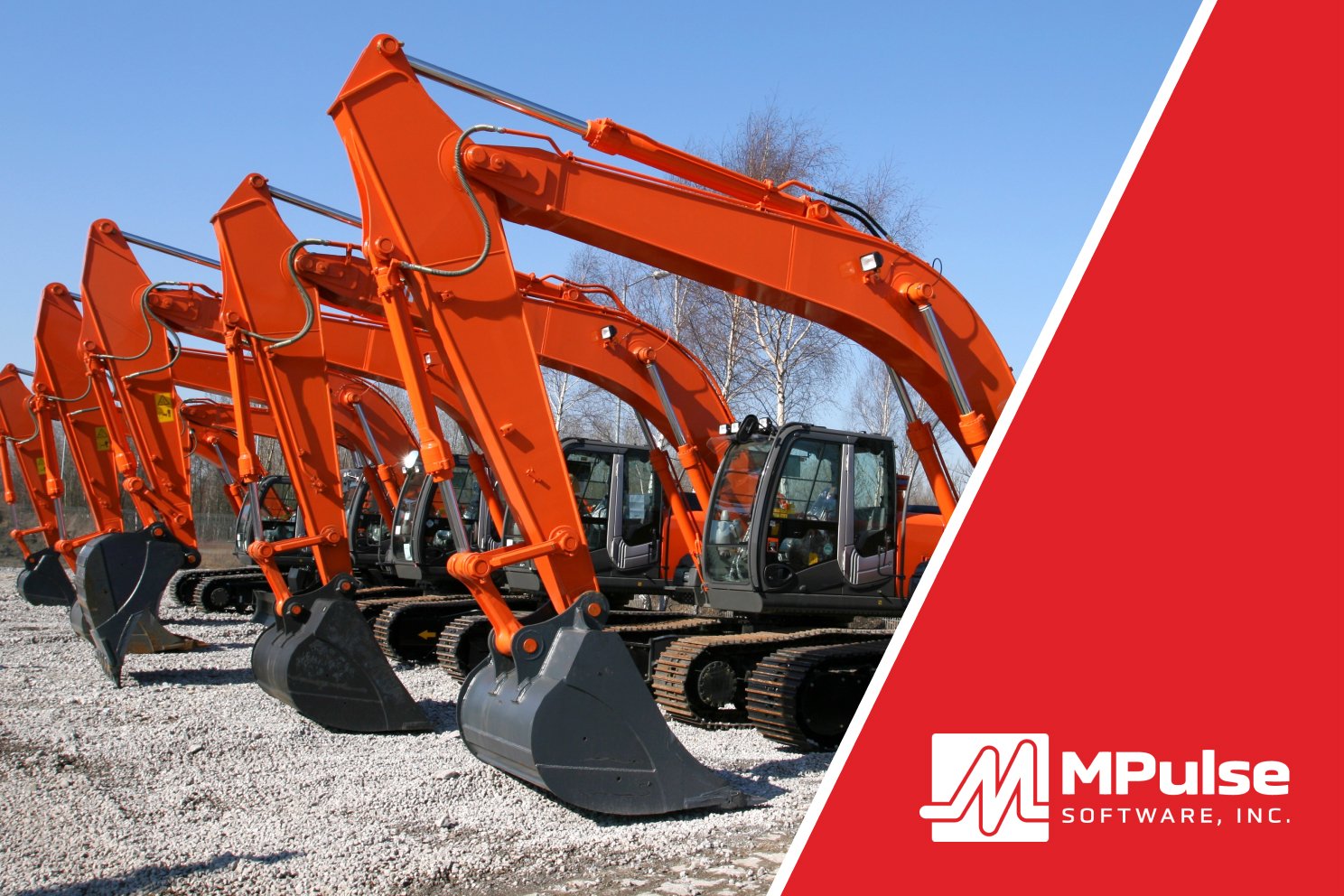
Asset management helps your organization get the maximum value from the assets it owns.
It’s common for large organizations to have a formal CMMS asset management plan. But, it’s just as important for small and medium-sized businesses. Creating a strategic plan can impact the uptime and total life of key assets.
Fortunately, CMMS makes it easy.
Create a CMMS Asset Management Plan
Setting up your CMMS for facility and asset management helps your organization get the most out of its investments.
While creating an asset management plan might sound complicated, it actually boils down to making a few proactive decisions about your MPulse data.
Identify critical assets
Pick the ones that would take a significant investment to replace, and the ones that most directly impacted production capacity.
Capture purchase information
For each critical asset, gather information on each asset’s purchase date, purchase price, startup date, and warranty expiration date.
Choose the data
Identify the data you want to collect, track, and report on.
Let the power of CMMS do the hard work
Every job entered into the work management system created a historical record that calculates the labor costs and links the cost of the parts and inventory used for the job.
Benefits of CMMS Asset Management
The advantages of asset management really come into play when it’s time to make important decisions. One of the most frequent is the classic, “Do we repair it or replace it?” question.
Using your CMMS data, you can determine…
- What was the purchase price of the asset?
- When did we acquire it?
- How much has it cost to maintain it, especially in the past year?
- How much downtime is the asset experiencing lately?
With a little more information about operations, you can also calculate the opportunity cost due to downtime. Comparing that to the estimated cost (and potential added productivity) of a new asset would give you the answer. Additionally, you’ll have the data to back it up.
If you’re thinking in terms of maximum uptime and total lifecycle cost, you’ll move beyond using your CMMS as a simple work order tracker and PM scheduler.
CMMS can help you create a wealth of asset information—helping your organization make more informed decisions, and potentially saving it a lot of money.
Contact us for more information on facility maintenance and asset management software. We’re here to help.